
Dog Insurance for Older Pets: Enrollment, History and Value
Older dogs can still have useful insurance options, but age limits, prior medical history and premium level matter more as the dog gets older. Verify enrollment eligibility first, then separate coverage for future new conditions from anything already documented as pre-existing.
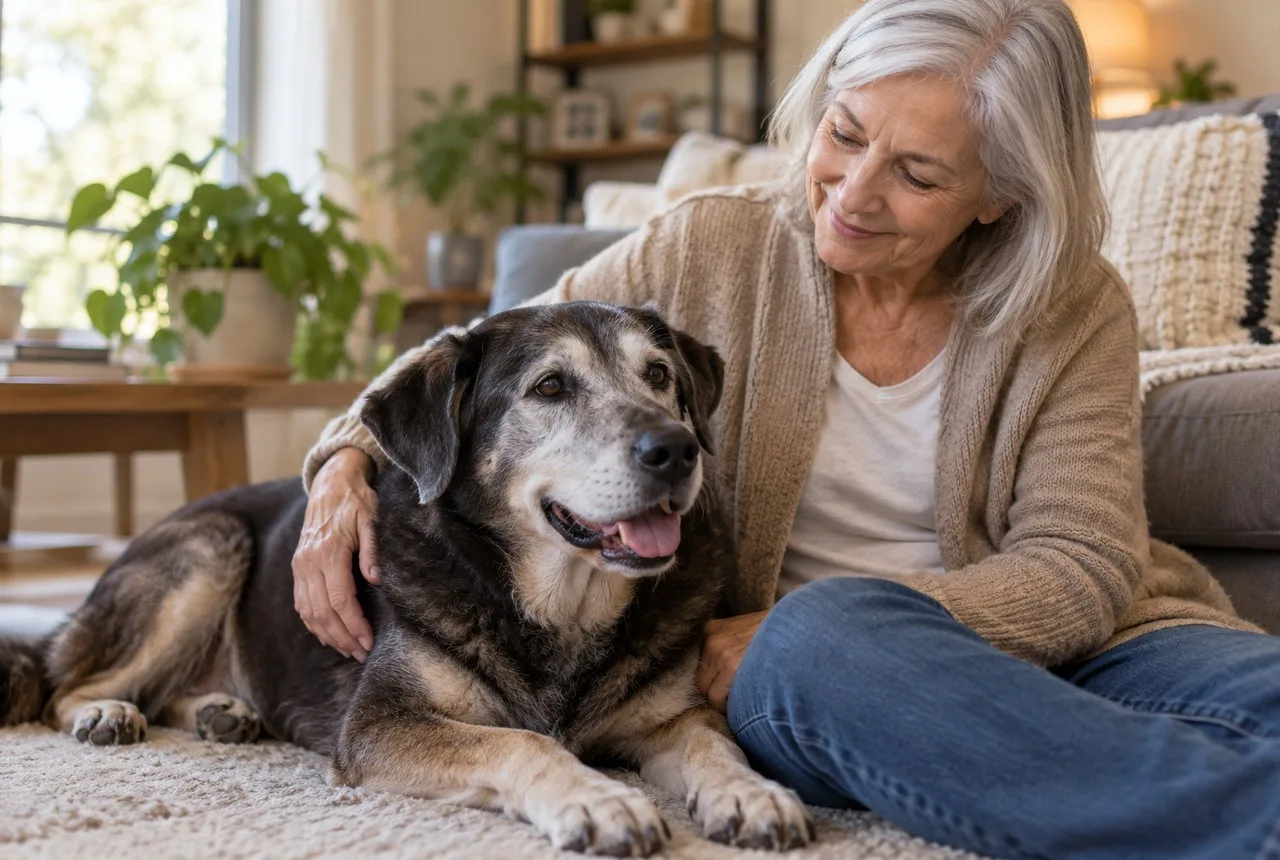
With an older dog, compare the realistic future benefit against the premium after identifying pre-existing exclusions. Enrollment age rules and renewal practices are provider-specific, so verify the current policy rather than relying on an old review.
Older-dog insurance starts with accumulated history, not with a generic senior label
Older dogs typically have more years of veterinary records. The practical insurance task is to map existing diagnoses, prior symptoms and ongoing treatment to each policy’s pre-existing and related-condition definitions while identifying what future risks remain insurable.
| Older-dog record | Insurance use | Keep separate |
|---|---|---|
| Chronic diagnoses/medications | Pre-existing/related-condition review | Veterinary treatment decisions |
| Prior intermittent symptoms | Look-back and symptom-definition review | Assumptions based on no formal diagnosis |
| Current age | Enrollment eligibility and price | Whether the dog is medically “healthy” |
Check age eligibility before doing a deep price comparison
Some products may have age-related enrollment rules or plan availability. Verify that the dog can actually enroll in the intended coverage and that the quoted benefit settings remain available at the current age.
AAHA senior-care guidance supports individualized veterinary assessment for senior pets. Insurance age rules are a separate contract matter; neither should be inferred from the other.
Model renewal affordability, not just today’s senior-dog premium
For an older dog, the policy can be a multi-year cash-flow commitment. Compare today’s premium with your ability to fund the deductible and coinsurance, and read renewal/change notices each year.
- Verify current enrollment age limits or product restrictions.
- Map known history before treating any future condition as potentially eligible.
- Budget premium, deductible and unreimbursed share together.
- Keep renewal terms and rate changes so you can reassess sustainability without losing sight of newly accumulated history.
Sources used for Dog Insurance For Older Pets
These sources support the regulatory, market or veterinary facts used for dog insurance for older pets. Policy terms can change, so the current policy form controls.
Regulatory context and consumer protection framework.
Open official source → NAPHIA Pet Insurance Buying GuideCoverage types, common exclusions, waiting periods and buying considerations.
Open official source → AAHA Senior Care GuidelinesLife-stage and senior-care context.
Open official source →Compare Current Pet Insurance Rates
Check current options for your pet and location, then compare the policy details, exclusions, costs, and eligibility before choosing.